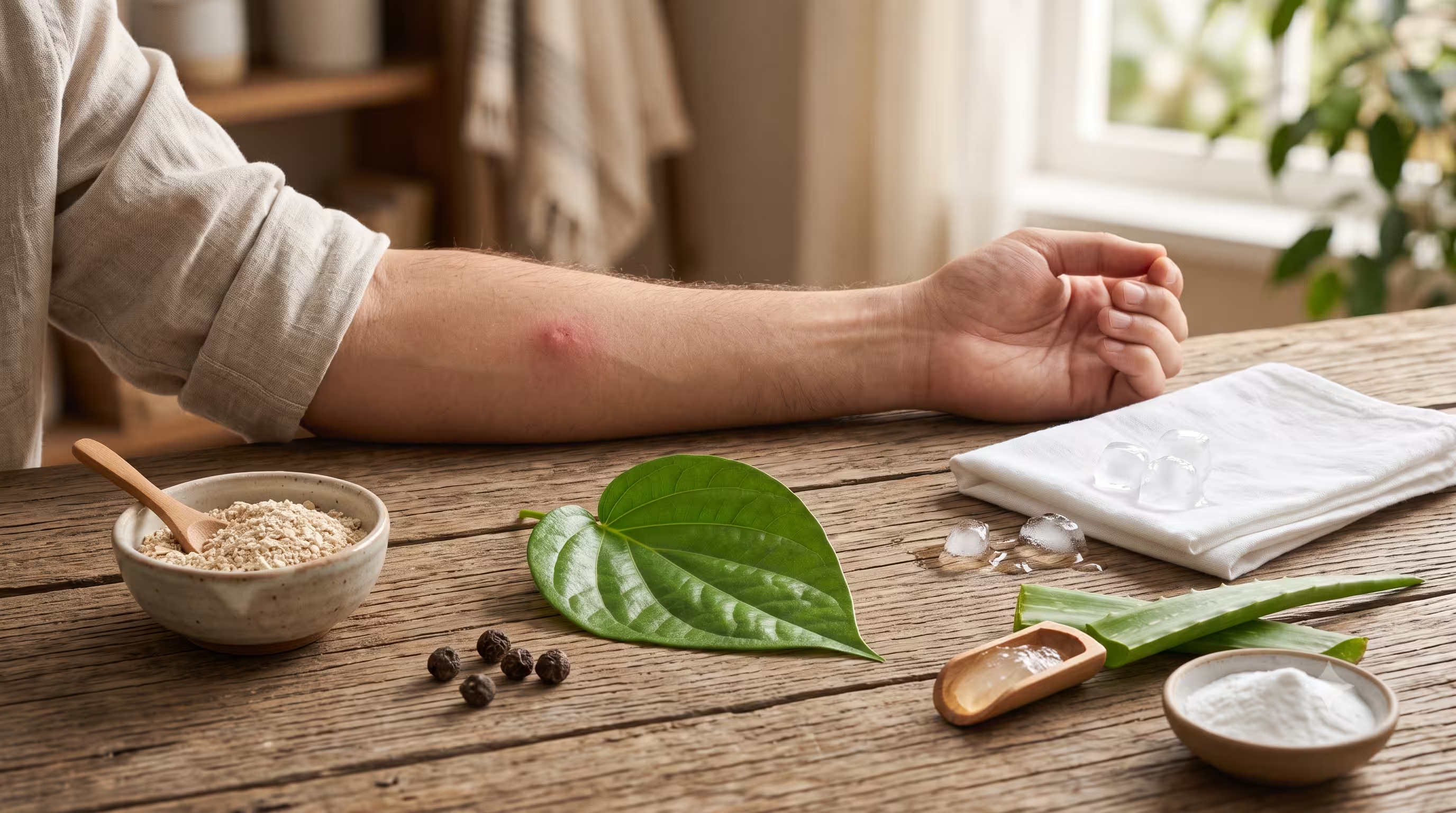
Sometimes we wake up with an itchy red rash or a small swollen spot on the skin without knowing what bit us. It could be a centipede, an ant, a mosquito, or another insect that bit us during the night. In most cases, the itching is more bothersome than the bite itself, and many people look for a simple remedy that can be tried at home.
In our family, we have followed a traditional Tamil home remedy for many years whenever we notice these kinds of itchy insect bites. We chew one fresh betel leaf (vettalai) with two or three black pepper seeds (milagu), and it has often helped relieve the itching in our personal experience.
In this article, we'll share this traditional remedy along with other home remedies for insect bites, practical insect bite treatment at home tips, and guidance on when it's important to seek medical care.
📑 Table of Contents
Common Symptoms of Insect Bites
Insect bites can cause different reactions depending on the insect and how your body responds. Most bites are mild and improve within a few days, while some may need medical attention.
Common symptoms include:
- Itching around the bite area
- Redness or a small rash
- Mild swelling
- Pain or a burning sensation
- Tingling or a prickling feeling (sometimes described as "suru suru" in Tamil)
- A small bump or raised skin around the bite
Sometimes, you may wake up with an itchy spot or rash without knowing what insect caused it. In many cases, the exact insect is never identified, but the symptoms can often be managed with simple home care.
First Aid and Home Treatment for Insect Bites
If you notice an insect bite, simple home treatment for an insect bite can often help relieve itching and discomfort while reducing the risk of infection.
-
Wash the affected area with mild soap and clean water to remove dirt and reduce the chance of infection.
-
Avoid scratching the bite, even if it is very itchy. Scratching can break the skin and increase the risk of infection.
-
Apply a cold compress for 10–15 minutes to help reduce itching, swelling, and discomfort. Wrap ice in a clean cloth instead of placing it directly on the skin.
-
Keep the area clean and dry, especially if the skin has been scratched.
-
Monitor your symptoms. If the redness, swelling, or pain continues to worsen, or if you develop difficulty breathing, swelling of the face or throat, dizziness, or other signs of a severe allergic reaction, seek immediate medical attention.
After these basic first aid steps, you may consider trying traditional or natural home remedies for mild insect bites.
Betel Leaf and Black Pepper: A Traditional Insect Bite Home Remedy
One traditional home remedy that has been passed down in our family is chewing one fresh betel leaf (vettalai) with two or three black pepper seeds (milagu). We usually follow this insect bite home remedy when someone develops itching after an insect bite or wakes up with an itchy rash and we're unsure what caused it.
How We Use It
- Take one fresh betel leaf (vettalai).
- Add two or three whole black pepper seeds (milagu).
- Chew them together slowly and swallow.
In our family's experience, this simple remedy has often helped reduce itching and discomfort. Even when the itching improves on the first day, we traditionally continue taking it once a day for three days.
Why It Is Traditionally Used
According to traditional practices:
- Betel leaf (vettalai) is valued for its soothing, antimicrobial, and anti-inflammatory properties.
- Black pepper (milagu) has long been used in traditional medicine to support the body's natural healing response.
Although scientific evidence for this specific insect bite home remedy is limited, this remedy has remained a trusted part of our family's home care for many years.
Note: This is a traditional family remedy based on personal experience. It should not replace medical treatment, especially for severe allergic reactions, venomous bites, or infected wounds.
Our Family's Experience with This Traditional Remedy
We've been using this traditional insect bite home remedy in our family for many years whenever someone develops severe itching after an insect bite or an unexplained skin reaction. While these experiences are personal and not scientific evidence, they've given us the confidence to continue using this home practice.
Experience 1: Relief After a Centipede Bite
One day, my wife was bitten on the back of her neck by a centipede. Soon after, she experienced a tingling or prickling sensation (known as "suru suru" in Tamil) around the bite.
My mother asked her to chew one fresh betel leaf (vettalai) with two or three black pepper seeds (milagu). In our experience, the tingling and discomfort began to ease within 5 to 10 minutes. Even after she felt better, my mother advised her to continue taking the remedy once a day for the next three days, following our family's traditional practice.
Experience 2: Severe Itching with an Unknown Cause
On another occasion, while staying at her mother's home, my wife suddenly developed intense itching all over her leg. We didn't know what had caused it. The itching became so severe that she scratched the area repeatedly until the skin became sore.
Since we weren't sure whether it was an insect bite or another minor skin irritation, I suggested trying the same traditional remedy. The itching reduced significantly on the first day, and she continued taking it for three days. Over the following days, the irritation settled completely.
Disclaimer: These experiences reflect our family's traditional home practice and personal observations. Individual results may vary, and this remedy should not be used as a substitute for professional medical care when symptoms are severe or worsening.
Other Home Remedies for Insect Bites
In addition to our family's traditional betel leaf and black pepper remedy, several other home remedies for insect bites may help relieve itching, mild swelling, and skin irritation. These remedies are generally suitable for minor insect bites but should not replace medical treatment if symptoms become severe or worsen.
Cold Compress
A cold compress is one of the simplest and most effective home treatments for insect bites. Wrap an ice pack or a few ice cubes in a clean cloth and apply it to the affected area for 10–15 minutes. The cold helps reduce itching, mild swelling, and discomfort. Avoid placing ice directly on the skin, as it may cause skin damage.
Aloe Vera Gel
Fresh aloe vera gel has cooling and soothing properties that may help calm irritated skin. Apply a thin layer of fresh aloe vera gel to the bite area 2–3 times a day. If you notice any irritation after applying aloe vera, wash it off and discontinue use.
Oatmeal Paste
Oatmeal has long been used to soothe itchy and irritated skin. Mix finely ground oatmeal with a small amount of water to make a paste and apply it to the affected area for 10–15 minutes before rinsing it off. Some people find this helpful for relieving itching caused by minor insect bites.
Baking Soda Paste
A paste made by mixing baking soda with a little water is another traditional home remedy for insect bites. Some people use it to help relieve itching, although scientific evidence supporting its effectiveness is limited. Apply a thin layer for about 10 minutes, then rinse it off with clean water. Stop using it if the skin becomes more irritated.
Note: Home remedies may help provide temporary relief from mild insect bites, but they are not a substitute for professional medical care. If you develop severe swelling, increasing pain, fever, pus, or difficulty breathing after an insect bite, seek medical attention immediately.
When Should You See a Doctor for an Insect Bite?
Most insect bites are mild and can be managed at home with first aid and home remedies. However, some bites and stings require prompt medical attention.
Seek medical care if you experience any of the following:
- Difficulty breathing, wheezing, or swelling of the face, lips, tongue, or throat, as these may be signs of a severe allergic reaction (anaphylaxis).
- Rapidly increasing redness, swelling, warmth, or pus, which could indicate a skin infection.
- Severe or worsening pain that does not improve with basic home care.
- Fever, chills, or feeling generally unwell after an insect bite.
- A bite from an insect or arthropod that you know is venomous or if you're unsure what caused a severe reaction.
- Symptoms that persist for several days or continue to worsen despite home treatment.
If you have a history of severe allergic reactions to insect bites or stings, seek immediate medical attention if similar symptoms occur again.
Important: Home remedies for insect bites are intended only for mild symptoms such as itching, minor redness, or slight swelling. They should never replace emergency medical care when symptoms are severe or rapidly worsening.
Frequently Asked Questions
What is the best home remedy for an insect bite?▼
How do you treat an insect bite at home?▼
What are the best home remedies for bug bites?▼
Can home remedies help relieve itching from insect bites?▼
What is the best insect bite treatment at home?▼
How long does itching from an insect bite usually last?▼
Can I use betel leaf and black pepper for insect bites?▼
When should I see a doctor for an insect bite?▼
Conclusion
Most insect bites cause only mild itching, redness, or swelling and can often be managed with simple first aid and home remedies. In our family, the traditional combination of betel leaf (vettalai) and black pepper (milagu) has been a trusted remedy for relieving itching caused by minor insect bites. While this practice is based on personal experience and traditional knowledge, scientific evidence supporting its effectiveness is limited.
If your symptoms are severe, continue to worsen, or you develop signs of an allergic reaction, seek medical attention immediately. For mild cases, combining basic first aid with safe home remedies may help you feel more comfortable while your skin heals naturally.
Related Blogs
Bee Sting Treatment: Home Remedy for Bee Sting, Swelling Relief & First Aid
Learn bee sting treatment with step-by-step first aid, home remedies for bee sting, swelling treatment, how to remove the stinger, and when to seek medical care.
Home Remedies for Gastric Problem: Natural Relief for Gas, Bloating & Indigestion
Discover simple and effective home remedies for gastric problem. Learn how Vellapoodu (hing) and Ajwain help relieve gas, bloating, and indigestion naturally at home.
Benefits of Aloe Vera Gel for Hair: How to Apply
Discover the natural benefits of using aloe vera gel for hair, including smoother texture, reduced dryness, and scalp comfort. A simple guide based on daily family use.