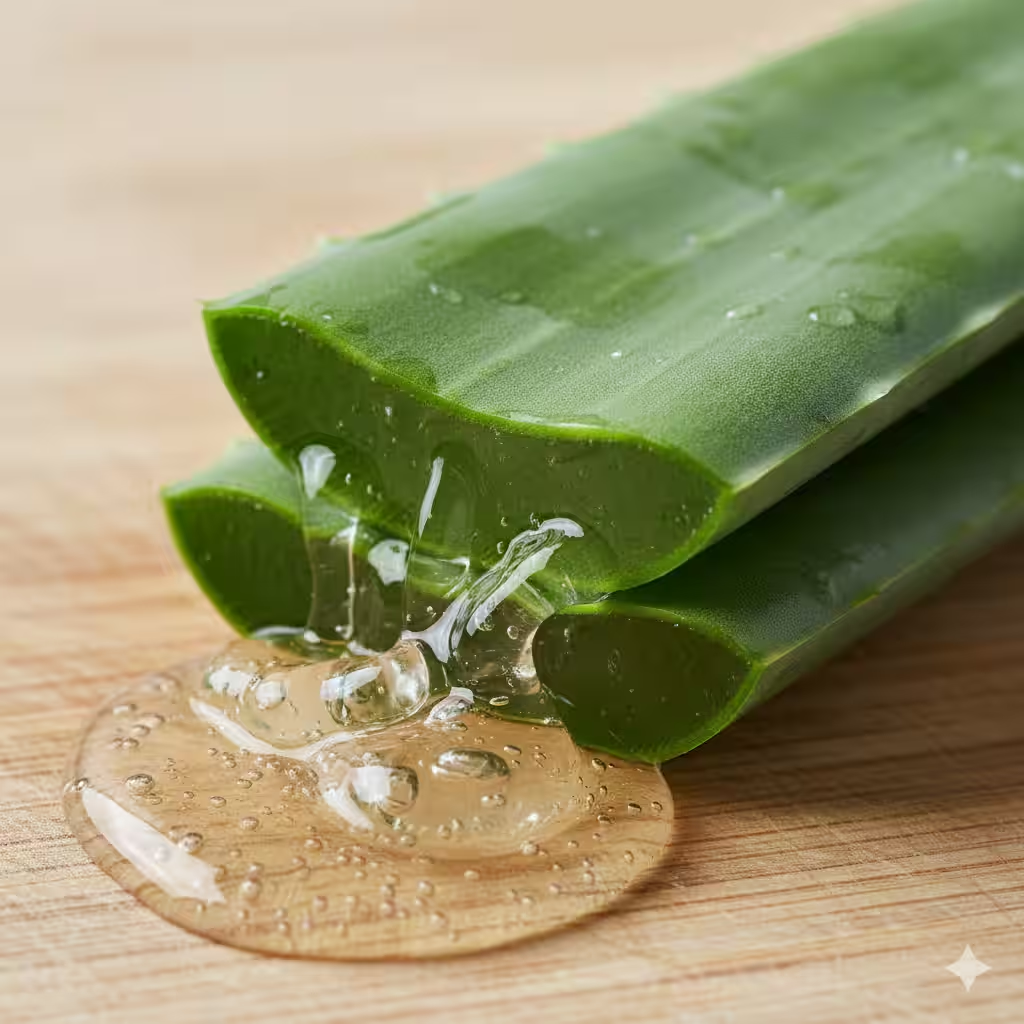
When it comes to natural hair care, using aloe vera gel for hair is a trusted remedy that has stood the test of generations. Whether it's hair fall, dryness, dandruff, or simply wanting smoother, shinier hair, this simple ingredient quietly delivers real results. So, is aloe vera good for hair? The experience of countless families—and the science behind its vitamins and enzymes—gives a clear, positive answer.
📑 Table of Contents
What Is Aloe Vera Gel and Why It’s Used for Hair?
Aloe vera gel is the clear, soothing substance found inside the leaves of the aloe vera plant.
For centuries, people have used aloe vera for skin and hair because it is rich in:
- Vitamins (A, C, E, B12)
- Antioxidants
- Minerals
- Scalp-calming enzymes
- Natural moisturizing compounds
These nutrients make aloe vera gel one of the best natural ingredients for hair care. It hydrates dry hair, cools an irritated scalp, reduces dandruff, and supports healthy hair growth.
Because of its gentle nature, aloe vera gel suits almost all hair types—dry, oily, frizzy, or sensitive. Whether you use pure aloe vera from the plant or a store-bought aloe vera gel, it helps restore moisture and strengthens your hair naturally.
Now that you know what aloe vera gel is and why it works so well, let’s look at the key benefits for hair strength and growth.
The Key Benefits of Aloe Vera Gel for Hair Strength and Growth
When people talk about the benefits of aloe vera gel for hair, they are referring to the unique vitamins, minerals, and enzymes found in the plant. These natural nutrients support both scalp health and hair strength in multiple ways:
Soothes scalp irritation — Its cooling and anti-inflammatory properties help calm itching, redness, and dandruff.
Provides deep hydration — Aloe vera gel works like a natural conditioner, making hair softer and easier to manage.
Strengthens hair from the roots — Vitamins A, C, E, and B12 support healthier growth and help reduce hair fall.
Balances scalp oil — It cleans gently without stripping moisture, making it suitable for both oily and dry scalp types.
Adds shine and smoothness — With regular use, aloe vera helps reduce frizz and improves overall hair texture.
How to Apply Aloe Vera on Hair (Step-by-Step Method)
If you're wondering how to apply aloe vera on hair in the simplest and most effective way, or looking for a clear guide on how to use aloe vera gel for hair, here's a routine that works for almost all scalp and hair types.
1. Take Fresh Aloe Vera Gel
Cut a fresh aloe vera leaf, scoop out the clear gel, and blend it for a smooth consistency.
(You can also use store-bought aloe vera gel without fragrance or added colors.)
2. Apply Directly to the Scalp
Massage the gel gently into your scalp using your fingertips.
This boosts blood circulation and helps nutrients reach the roots.
3. Spread Through the Hair Length
Apply the remaining gel along your hair strands.
This works like a natural conditioner that softens and smoothens the hair.
4. Leave It On for 30–60 Minutes
For hydration, dandruff relief, or hair fall control, leave aloe vera on your hair for at least 30 minutes.
If your scalp is very dry, you can even mix aloe gel with a few drops of coconut oil.
5. Wash with a Mild Shampoo
Rinse well and shampoo gently.
You don’t need any special product — your regular shampoo works perfectly.
Aloe vera is safe for weekly use.
Use it once a week for regular care, and 2–3 times a week if your scalp needs extra hydration or dandruff relief.
Washing Tip: A common question is how to wash hair after applying aloe vera gel. The key is to rinse thoroughly with water first to remove the gel, then follow with your regular shampoo. This prevents any residue.
Real Experience: How Aloe Vera Gel Helped My Wife’s Hair Stay Strong
Growing up, my wife and her sister had thick, strong, shiny hair — the kind that made everyone ask, “What do you use for your hair?” Their secret wasn’t expensive serums or chemical treatments. Their mother followed a simple, natural tradition using fresh aloe vera gel for hair.
Every Sunday, my mother-in-law would cut a fresh aloe vera leaf, scoop out the pure gel, and gently massage it into their scalp and hair. This simple method of applying aloe vera gel on hair became their weekly routine. They left the gel on for about an hour and washed it off using their regular shampoo.
It was a small habit — but the benefits of aloe vera gel for hair were clearly visible. Their hair stayed:
- Naturally shiny
- Strong from the roots
- Smooth and frizz-free
- Free from major hair fall
- Consistently healthy as they grew up
But things changed after marriage. When my wife moved to Mumbai, her hair slowly began to lose its natural strength. The city’s hard water, pollution, humidity, stress, and irregular routine took a toll. She started experiencing hair fall, dryness, and dullness — nothing like the long, healthy hair she enjoyed in her teens.
That’s when we realized how powerful and effective a simple, natural remedy like aloe vera for hair growth and scalp health really is. It’s not just a home remedy — it's something that genuinely works, as seen in our own family.
Side Effects of Using Aloe Vera on Hair (Is It Safe?)
Understanding potential aloe vera side effects on hair is important for safe use. While the gel is generally safe for most people, like any natural remedy, it may not suit everyone.
1. Mild Itching or Redness
Some people may experience slight itching or irritation due to aloe’s natural enzymes.
If you notice discomfort, wash it off immediately.
2. Risk of Allergies
If you’re allergic to garlic, onions, or tulips, you may also react to aloe vera.
Do a patch test on your wrist before applying it to the scalp.
3. Build-Up If Overused
Using aloe vera gel every day can sometimes leave a soft residue on the scalp, especially if the gel is not washed out properly.
Weekly use is usually ideal.
4. Not Suitable for Very Cold Body Type
In Ayurveda, aloe vera is “cooling.”
If you have a naturally cold body constitution, too frequent use may increase scalp coldness or sensitivity.
5. Store-Bought Gel Concerns
Some commercial aloe gels contain:
- added fragrance
- color
- alcohol
These may cause dryness or irritation.
Always choose a gel with minimal ingredients.
A simple patch test + weekly routine is enough to keep aloe vera both safe and effective for hair care.
Aloe Vera Gel vs Fresh Aloe Vera: Which Is Better for Hair?
If you're wondering whether fresh aloe vera or store-bought aloe gel works better for hair, here’s the simple truth: both are effective, but each has its own advantage.
1. Fresh Aloe Vera (Most Potent)
Fresh gel contains natural enzymes, vitamins, and antioxidants in their purest form. It works best for dandruff, itchy or dry scalp, and reducing hair fall.
If you want maximum nourishment, fresh aloe is the top choice.
2. Store-Bought Aloe Gel (Most Convenient)
A good-quality aloe gel is easy to store, quick to apply, and consistent in texture. Choose one that is fragrance-free, color-free, alcohol-free, and at least 90% aloe vera.
This makes commercial gel a simple, practical option for everyday hair care.
Which Should You Choose?
- For stronger results and scalp issues: fresh aloe vera
- For convenience and regular conditioning: store-bought aloe gel
- Both work well — choose based on your time and needs
Aloe Vera Hair Masks for Different Hair Problems
If you want to boost the benefits of aloe vera gel for hair, you can mix it with a few simple ingredients already in your kitchen. These combinations help target specific hair concerns effectively.
Aloe Vera + Coconut Oil (For Dry, Frizzy Hair) — Works best for: dry scalp, rough hair, frizz control.
How to use: Mix 2 tablespoons of aloe gel with 1 tablespoon of coconut oil. Apply to scalp and hair length. Leave for 45 minutes and wash.
Aloe Vera + Castor Oil (For Hair Growth) — Works best for: hair fall, thinning hair, slow growth.
How to use: Blend 2 tablespoons aloe gel with 1 teaspoon castor oil. Apply overnight, wash next morning.
Aloe Vera + Lemon Juice (For Dandruff) — Works best for: dandruff, itchy or flaky scalp.
How to apply aloe vera on hair for dandruff: Mix 2 tablespoons aloe gel with 1 teaspoon lemon juice. Apply on scalp for 20–30 minutes, then wash.
Aloe Vera + Fenugreek (For Strengthening Hair Roots) — Works best for: weak roots, breakage, postpartum hair fall.
How to use: Soak fenugreek overnight, grind into paste, and mix with aloe gel. Apply for 45 minutes and wash.
Who Should Use Aloe Vera Gel for Hair (And Who Should Avoid It)
A common question is: can I apply aloe vera gel on hair daily? The answer depends on your scalp type. Aloe vera gel is versatile and suits most scalp and hair types, but it works best for certain conditions.
Aloe Vera Is Best For
- people with dandruff
- itchy or dry scalp
- oily scalp needing gentle cleansing
- rough, frizzy, or dull hair
- hair fall due to dryness or scalp imbalance
- people who prefer natural, non-chemical remedies
If your hair needs moisture, soothing, or a light natural conditioner, aloe vera is an excellent choice.
You Should Avoid or Limit Aloe Vera If
- you are allergic to plants like garlic, onions, or tulips
- your scalp becomes sensitive or cold easily
- you have a very cold body type (according to Ayurveda)
- you experience itching or redness after applying aloe
- you use gels with fragrance or alcohol (these may irritate the scalp)
A simple patch test on your wrist before first use is the safest way to avoid irritation.
Ideal Frequency of Use
- Normal use: once a week
- For dandruff or dryness: 2–3 times a week
- For sensitive scalp: once every 10–14 days
This helps you get the benefits without overusing it.
How Long Does Aloe Vera Take to Work on Hair?
Aloe vera works gradually and consistently — it’s not an overnight miracle, but regular use brings noticeable improvements. After the very first application, most people notice softer hair, a calmer scalp, and a slight reduction in frizz. By the second or third use, dryness begins to reduce, itching settles, and hair feels more manageable. With consistent use for about three to four weeks, hair fall often decreases, shine improves, and the scalp feels more balanced. After six to eight weeks, roots strengthen, dandruff comes under better control, and overall hair health visibly improves.
Results may vary depending on factors like water quality, scalp health, lifestyle, and whether you use fresh aloe vera or store-bought gel. Weekly use is usually sufficient to see positive changes over time.
Frequently Asked Questions
Can I use aloe vera gel every day on my hair?▼
Can I apply aloe vera gel on hair overnight for benefits?▼
Is fresh aloe vera better than store-bought gel?▼
Can aloe vera help with hair fall?▼
Can I mix aloe vera with oils?▼
How long before I see results?▼
Is aloe vera safe for colored or chemically treated hair?▼
⚠️ Disclaimer: This blog is based on a real-life personal story. Please consult a healthcare professional before trying any new treatment.
Related Blogs

How to Reduce Pitta: Simple Natural Remedies for Balance
Struggling with acidity, anger, or skin rashes? Learn how to reduce Pitta dosha naturally. Learn remedies, diet changes, and quick relief methods to balance Pitta dosha and improve digestion, skin, and overall health.
Ayurvedic Remedy for Sore Throat: How Honey Helped Me Naturally
Discover the best Ayurvedic remedy for sore throat. Learn how honey soothed my throat naturally, plus other simple home
Clove for Cough: This 1 Kitchen Ingredient Stopped My Cough and Running Nose in 3 Days
Struggling with cough and running nose? This simple clove remedy gave me natural relief in just 3 days — no medicines, no side effects. Try this Ayurvedic method.