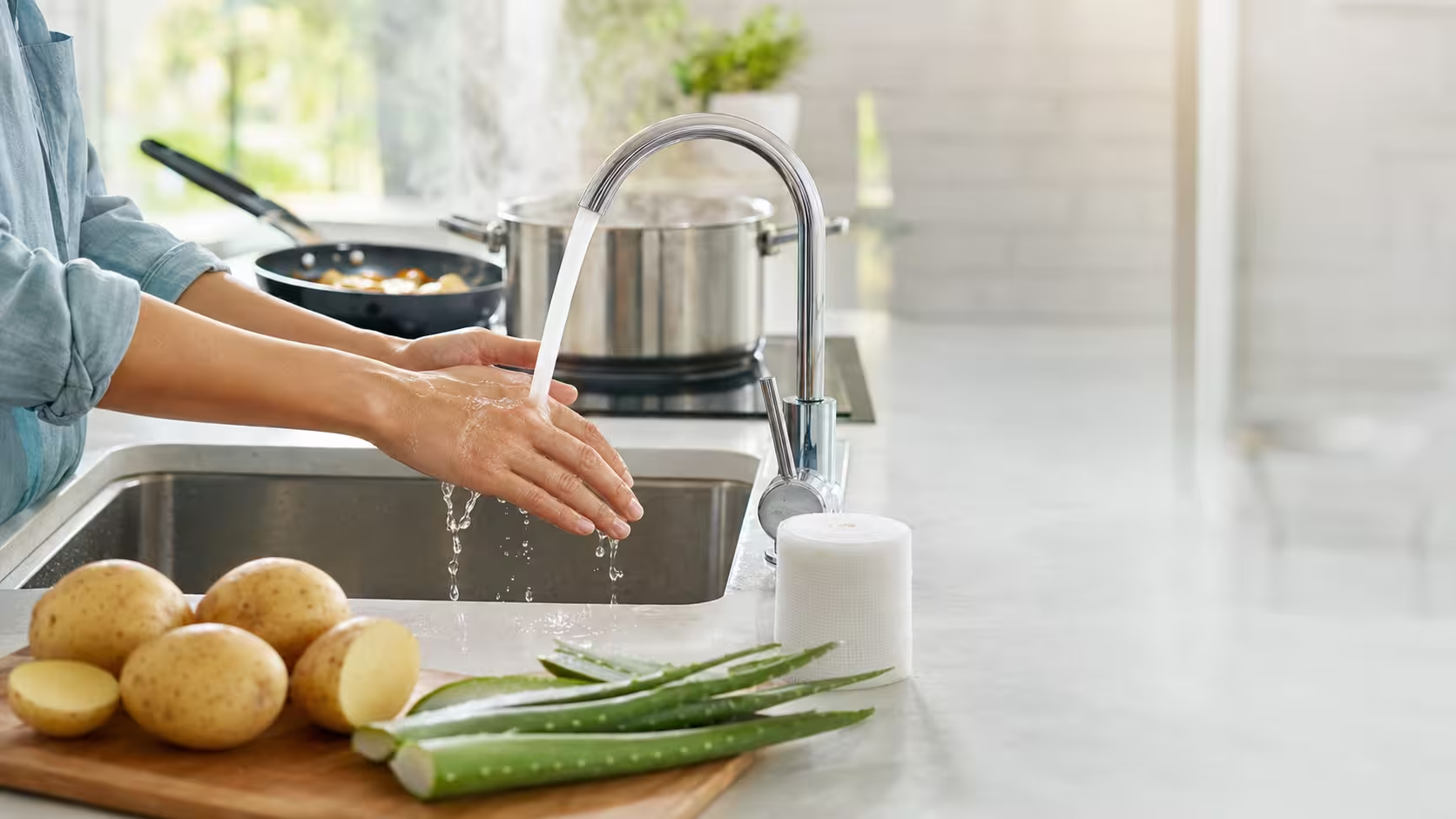
Burns from hot oil and hot water are among the most common kitchen injuries. Learning the right first aid for burns can help you respond quickly and care for the affected skin.
In this article, you'll learn the immediate first aid steps, a traditional home remedy that has been part of our family's experience for years, what to avoid after a burn, and when medical attention is necessary.
📑 Table of Contents
First Aid for Burns: Our Family's First Response to Hot Oil and Hot Water Burns
Over the years, minor hot oil and hot water burns have happened more than once in our family while cooking. Whenever it happened, there was one simple home remedy that we would reach for almost immediately.
We take a raw potato and blend it without adding any water. This creates a naturally cool, watery paste. We gently apply the paste over the affected area and leave it on for about 5 minutes before washing it off.
From our personal experience, this has helped reduce the burning sensation quickly and provided a soothing feeling on the skin. Because the paste is naturally cool, it feels comfortable when applied to minor kitchen burns.
Our Experience: This is a traditional home remedy that our family has used for many years for minor hot oil and hot water burns. Our experience is personal and may not be the same for everyone. There is currently limited scientific evidence to confirm that raw potato paste improves burn healing, so it should not replace appropriate medical care for serious burns.
Burn First Aid Treatment for Hot Oil and Hot Water Burns
Along with our family's traditional home remedy, there are other burn first aid treatment methods that can help manage minor hot oil and hot water burns. Whether you're dealing with a hot oil burn on hand, a hot oil spill on hand, or a burn caused by boiling water, these first aid steps can help protect the affected skin and reduce the risk of further injury.
Cool the Burn Under Running Water
If you're wondering what to do if you burn your hand while cooking, one of the first recommended steps is to hold the burned area under cool running water for about 20 minutes. This helps cool the skin and may reduce the spread of heat into deeper tissues.
Avoid using ice or ice-cold water, as they may damage the skin further.
Remove Rings, Watches or Tight Clothing
If a hot oil burn on hand causes swelling, gently remove rings, watches, bracelets, or tight clothing as soon as possible. Do not try to remove anything that is stuck to the burned skin.
Cover the Burn
Once the burn has been cooled, cover it with a clean, non-stick dressing or a clean cloth. This helps protect the area from dirt and reduces the chance of infection.
Keep the Burn Clean
Whether you've been burnt with hot oil or hot water, avoid touching the burn unnecessarily. If blisters develop, do not burst them, as they help protect the underlying skin while it heals.
Watch for Signs That Need Medical Attention
Many cooking oil burns and minor hot water burns can be cared for at home. However, seek medical attention if:
- The burn is large or deep.
- The burn is on the face, eyes, hands, feet, genitals, or major joints.
- Severe pain continues or worsens.
- There are signs of infection, such as increasing redness, swelling, pus, or fever.
- The burn was caused by chemicals or electricity.
Other Home Remedies for Minor Hot Oil and Hot Water Burns
After completing first aid for burns, some people choose to use other home remedies to help soothe minor hot oil burns, hot water burns, or other small burns. While some traditional remedies may provide temporary comfort, they should not replace appropriate burn treatment or medical care when needed.
Note: Earlier in this article, we shared our family's traditional potato remedy for minor kitchen burns. Below are some other home remedies that people commonly use.
Aloe Vera Gel
Pure aloe vera gel is one of the most commonly used home remedies for minor hot oil burns and hot water burns. After the burned area has been cooled with running water, aloe vera may help soothe the skin and keep it moisturised.
Honey
Some healthcare professionals use medical-grade honey for wound care in specific situations because of its antibacterial properties. However, avoid applying ordinary kitchen honey to a fresh hot oil burn or cooking oil burn unless advised by a healthcare professional.
Cool Running Water
Although not a home remedy, cooling the affected area under cool running water for about 20 minutes remains one of the most effective first-aid measures for minor burns. Many people searching for how to treat burn skin are surprised to learn that this simple step is often more beneficial than applying household products immediately after a burn.
When Home Remedies May Be Enough
Home remedies may be considered only after proper burn first aid treatment for small burns that are superficial and do not show signs of infection. If the burn becomes more painful, develops large blisters, or does not start improving over the next few days, seek medical advice instead of relying only on home remedies.
What Not to Apply on Burns: Toothpaste, Butter, Ghee and Ice
After a hot oil burn, hot water burn, or cooking oil burn, it's common to hear different home remedies from family and friends. If you're wondering what to do if you burn your hand or what to do when hot oil splashes on your hand, knowing what not to apply is just as important as knowing the right first aid for burns. Some commonly suggested remedies can trap heat, irritate the skin, or delay proper burn treatment.
Applying Toothpaste on Burns
Applying toothpaste on burns is a common home remedy in many households. However, toothpaste is not designed to treat burns and should not be used as part of burn injury first aid or oil burn first aid. It does not effectively cool the skin and may cause irritation, especially after a hot oil burn on hand, hand burn due to hot oil, or other sensitive burns.
Butter, Ghee and Oils
Butter, ghee, coconut oil, or other cooking oils should not be applied immediately after a hot oil burn or hot water burn. These products can trap heat in the skin, slowing the cooling process, which is one of the most important parts of burn first aid treatment. If you've been burnt with hot oil, cool the burn with running water before considering any home remedies.
Ice or Ice-Cold Water
Although ice may seem like a quick solution, placing ice or using ice-cold water directly on the burn can further damage the skin. For minor burn first aid, cool running water for about 20 minutes is generally recommended instead of ice.
Don't Burst Burn Blisters
If a blister develops after a hot oil spill on hand, hot oil burn on hand, or another small burn, avoid popping it. The blister acts as a natural protective layer while the skin heals and helps reduce the risk of infection. If you need burn blister treatment, keep the area clean, cover it with a suitable dressing, and seek medical advice if the blister is large, painful, or shows signs of infection.
When to See a Doctor for a Hot Oil or Hot Water Burn
Many hot oil burns, hot water burns, and cooking oil burns are minor and can be managed at home with proper first aid for burns, appropriate burn self care, and regular monitoring. However, some burns require medical attention to prevent complications and ensure proper healing.
Seek medical care if:
- The burn is larger than the size of your palm or appears deep.
- A hot oil burn on hand affects movement or causes severe pain.
- The burn is on the face, eyes, feet, genitals, or over a major joint.
- Large blisters develop or you need advice about burn blister treatment.
- The burn was caused by chemicals, electricity, or an explosion.
- The pain becomes worse instead of improving after burn first aid treatment.
- The burn shows signs of infection, such as increasing redness, swelling, warmth, pus, or fever.
- You have diabetes or another medical condition that may slow wound healing.
- The burn does not begin to improve after several days despite proper skin burn treatment and home care.
What to Do Before Visiting a Doctor
If you're unsure what is the first aid for burns after a more serious injury, the priority is to:
- Cool the burn under cool running water for about 20 minutes.
- Cover the burn with a clean, non-stick dressing or clean cloth.
- Avoid applying toothpaste on burns, butter, ghee, oils, or ice.
- Do not burst any blisters.
- Seek medical attention as soon as possible.
If you've been burnt with hot oil, experienced a hot oil spill on hand, or are looking for oil burn treatment, avoid delaying medical care by relying only on home remedies. Early assessment and appropriate treatment can help reduce the risk of infection, minimise scarring, and support faster healing.
Frequently Asked Questions
What is the first aid for burns?▼
What should I do if I burn my hand with hot oil?▼
What should I do when hot oil splashes on my hand?▼
How do I treat a hot water burn at home?▼
Can I use home remedies for a cooking oil burn?▼
Is applying toothpaste on burns a good idea?▼
Should I pop a burn blister?▼
How long does a minor hot oil or hot water burn take to heal?▼
When should I see a doctor for a hot oil or hot water burn?▼
Can I treat a hot oil burn on my hand at home?▼
Related Blogs
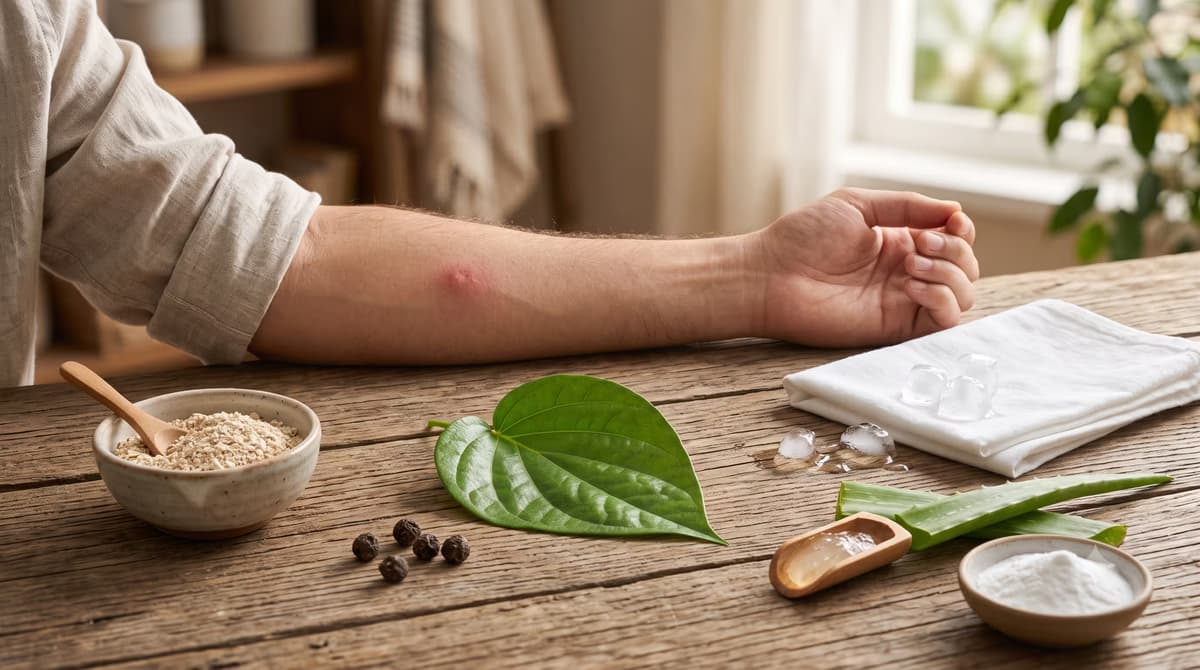
Home Remedies for Insect Bites: Natural Ways to Relieve Itching & Swelling
Discover home remedies for insect bites, including a traditional betel leaf remedy, plus natural ways to relieve itching, swelling, and skin irritation.
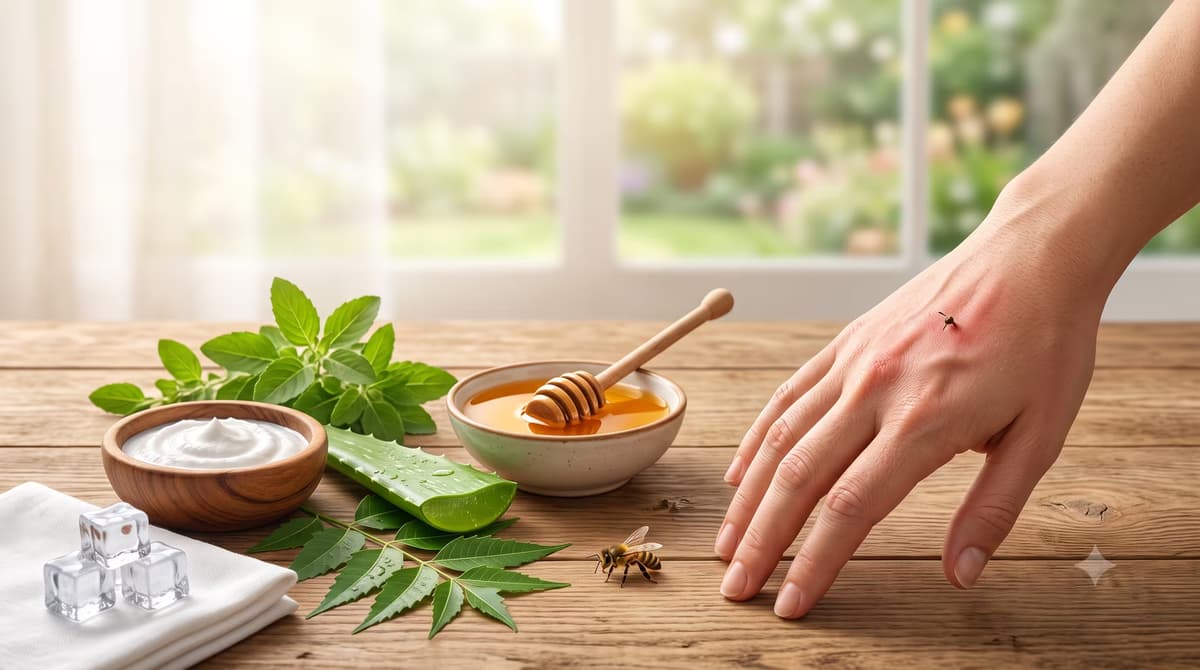
Bee Sting Treatment: Home Remedy for Bee Sting, Swelling Relief & First Aid
Learn bee sting treatment with step-by-step first aid, home remedies for bee sting, swelling treatment, how to remove the stinger, and when to seek medical care.
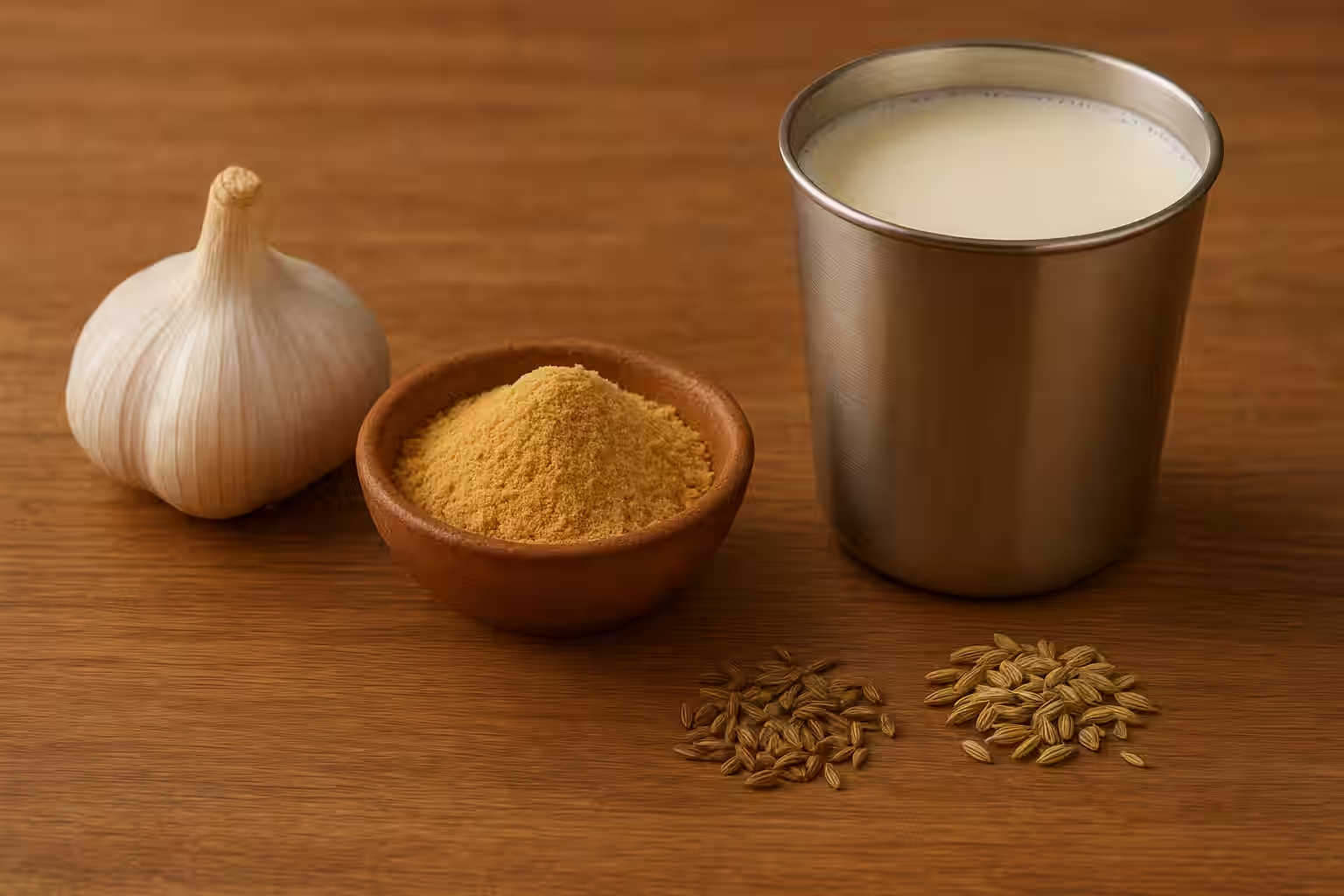
Home Remedies for Gastric Problem: Natural Relief for Gas, Bloating & Indigestion
Discover simple and effective home remedies for gastric problem. Learn how Vellapoodu (hing) and Ajwain help relieve gas, bloating, and indigestion naturally at home.