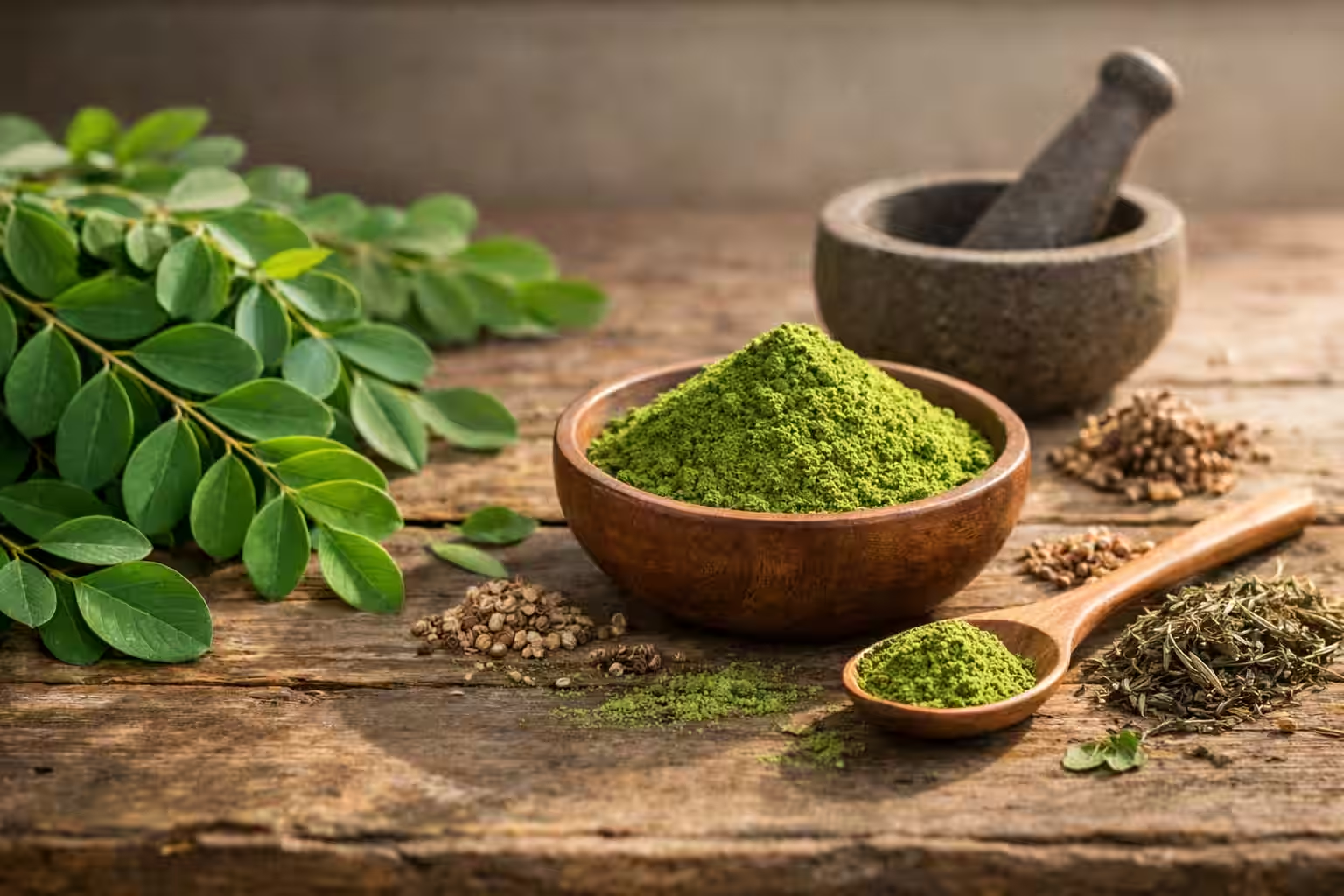
Moringa leaves have been part of everyday cooking in many South Indian homes. Dishes made with murungai keerai, like poriyal or kootu, are both simple and nutritious.
But the same leaves are also dried and made into moringa powder, which is now gaining attention for its nutritional value and traditional herbal uses.
📑 Table of Contents
What Is the Moringa Tree (Moringa Plant)?
Moringa is a fast-growing tree native to South Asia and is commonly known as the drumstick tree. The moringa tree is widely grown in tropical and subtropical regions because it adapts well to warm climates and grows quickly.
The moringa plant has been used for generations in both traditional cooking and herbal practices. Its leaves, pods, seeds, and flowers are commonly used in different ways depending on the region.
One interesting thing about moringa is that almost every part of the plant has some traditional use. The leaves, flowers, seeds, bark, sap, pods, and even the oil extracted from the seeds are known for their useful properties. In many traditional systems, different parts of the plant are used for various health and culinary purposes.
What is Moringa Powder?
Moringa powder is made from the dried leaves of the moringa tree. The leaves are usually harvested, washed, and then dried carefully before being ground into a fine green powder.
This powder is commonly used as a nutritional supplement and in traditional herbal remedies. Because the leaves are concentrated in powdered form, many people add small amounts to drinks, smoothies, or food to increase their nutrient intake.
In many traditional practices, moringa leaves have been used for general health support, and the powdered form simply makes it easier to store and use regularly.
Nutritional Value of Moringa Powder
Moringa leaves are known for their rich nutritional profile. When the leaves are dried and turned into powder, many of these nutrients become more concentrated, making it easier to include them in small daily quantities.
Moringa powder contains protein, calcium, iron, potassium, and essential vitamins such as vitamin A, vitamin C, and vitamin E. Because of this wide range of nutrients, it is often used as a natural way to support overall dietary balance.
Why Moringa is Considered a Nutritional Powerhouse
Moringa is often described as a highly nutrient-dense food when compared to many commonly consumed ingredients. While exact values can vary depending on growing and processing conditions, moringa is generally noted for having relatively higher concentrations of certain nutrients.
For example, moringa is often compared with everyday foods in terms of nutritional richness:
- Higher vitamin C content compared to oranges
- Higher calcium levels compared to milk
- Higher iron content compared to spinach
- Higher potassium levels compared to bananas
These comparisons are commonly used to highlight how concentrated moringa leaves can be as a natural food source.
Another unique aspect of moringa is that it contains all essential amino acids. This makes it a rare plant-based source of complete protein, which can be especially useful in vegetarian diets.
Because of this combination of nutrients and plant compounds, moringa powder is generally valued for overall nutritional support rather than a single targeted benefit.
Health Benefits of Moringa Powder
Moringa powder has gained attention in recent years as a nutrient-dense herbal supplement, but its use is not new. For generations, moringa leaves have been part of traditional diets and wellness practices, especially in South Indian households where murungai keerai is commonly consumed as food rather than medicine.
What makes moringa unique is not just its vitamin and mineral content, but also the presence of natural plant compounds that work together to support overall body function. Because of this combination, moringa powder is often associated with whole-body support rather than targeting a single issue.
Natural Plant Compounds in Moringa
Beyond basic nutrients, moringa contains several bioactive compounds that contribute to its traditional value and modern research interest:
-
Quercetin – A plant-based antioxidant studied for supporting blood pressure balance and reducing oxidative stress
-
Chlorogenic Acid – Associated with supporting healthy blood sugar regulation by influencing glucose metabolism
-
Isothiocyanates – Compounds being studied for their role in supporting the body’s natural response to inflammation
These compounds work along with vitamins and minerals, which is one reason moringa is often valued as a complete nutritional herb rather than just a supplement.
Supports Nutritional Balance
Moringa powder is naturally rich in nutrients such as calcium, iron, potassium, and vitamins A, C, and E. This nutritional density supports general wellness and daily nourishment when included in small, consistent amounts.
Helps Support Immunity
The combination of antioxidants and plant compounds helps the body manage oxidative stress, which plays a role in maintaining immune function.
Traditionally Used for Blood Sugar and Heart Health
In traditional use, moringa has been associated with metabolic balance. Modern research is also exploring its role in supporting healthy blood sugar levels and cholesterol balance.
Skin and Hair Support
Due to its nutrient profile, moringa is often linked with skin nourishment and hair strength in traditional wellness practices.
Digestive and Daily Wellness Support
Moringa leaves have long been part of everyday cooking, partly because they are considered easy to digest and supportive of overall vitality.
Rather than acting as a quick remedy, moringa powder is best understood as a nutrient-supportive herb that works gradually when included as part of a balanced lifestyle.
If you are looking to include moringa in your routine, understanding the right way to consume it daily is equally important. You can explore practical methods in our guide on daily use of moringa powder.
How to Use Moringa Powder in Daily Life
Moringa powder is valued not only for its nutritional content but also for how easily it can be included in everyday food. Since it is made from dried moringa leaves, even a small quantity is usually enough for regular use.
In traditional practice, moringa was rarely consumed as a separate supplement. Instead, it was added to regular meals such as dal, soups, and vegetable dishes, allowing the body to absorb its nutrients gradually through food.
In modern use, moringa powder can be mixed into warm water, smoothies, or simple home preparations. Because it has a slightly earthy taste, it is usually combined with other ingredients like lemon, honey, or buttermilk.
Suggested Daily Quantity
Moringa powder is typically consumed in small amounts, usually around half to one teaspoon per day. Starting with a smaller quantity allows the body to adjust gradually.
Important Note on Usage
Rather than consuming large amounts occasionally, moringa powder is generally considered more beneficial when used consistently in small quantities as part of daily food.
For a more detailed guide on preparation methods, timing, and daily routines, read our complete article on how to use moringa powder daily.
Traditional Uses of Different Parts of the Moringa Plant
One unique aspect of the moringa tree is that almost every part of the plant has been traditionally used in food or wellness practices. Unlike many plants where only one portion is valued, moringa has long been appreciated as a complete utility tree in many cultures, which is why it is often referred to as a “miracle tree.”
Moringa Leaves
The leaves are the most commonly used part of the plant. Fresh leaves are cooked as vegetables in many South Indian dishes, while dried leaves are made into moringa powder for convenient daily use. Traditionally, the leaves are valued for nourishment, strength, and overall daily wellness.
Moringa Pods (Drumsticks)
The long green pods, commonly called drumsticks, are widely used in cooking, especially in sambar and soups. They are appreciated not only for their taste but also for their fiber content and role in supporting digestion as part of regular meals.
Moringa Flowers
Moringa flowers are sometimes used in traditional recipes and herbal preparations. In certain regions, they are associated with supporting vitality and are included in simple seasonal dishes.
Moringa Seeds
The seeds are known for producing moringa oil. Traditionally, they have also been used in practical applications such as water purification in some cultures, highlighting the plant’s functional value beyond food.
Moringa Oil
Oil extracted from moringa seeds is light and stable, often compared to olive oil because it resists becoming rancid easily. (Rancid means oil developing an unpleasant smell or taste due to oxidation over time.)
Because of this stability, moringa oil has been traditionally used for skin and hair care, and is valued for its long shelf life and smooth texture.
The wide range of uses across different parts of the plant is one of the key reasons moringa has remained important across generations. Instead of serving a single purpose, it continues to be valued as a versatile plant that supports both daily food practices and traditional wellness systems.
Possible Side Effects and Who Should Be Careful
Moringa powder is generally consumed as a food-based supplement, especially in regions where moringa leaves are part of everyday cooking. However, like any herbal product, moderation and individual awareness are important.
Start with Small Quantities
Because moringa powder is concentrated, consuming large amounts suddenly may cause mild digestive discomfort such as nausea or stomach upset in some people. Starting with a small quantity allows the body to adjust gradually.
People Taking Medication
Moringa is sometimes associated with effects on blood sugar and blood pressure levels. Individuals who are already taking medication for these conditions should consult a healthcare professional before using moringa powder regularly.
Pregnancy and Breastfeeding
Traditional sources often advise caution during pregnancy unless recommended by a qualified practitioner. It is generally safer to seek medical guidance before including herbal supplements during this period.
Quality Matters
Since moringa powder is widely available today, choosing properly processed and clean products is important. Poor drying or storage conditions may affect freshness and quality.
When used in moderate amounts as part of a balanced diet, moringa powder is typically considered supportive rather than medicinal. Listening to the body and maintaining consistency in small quantities is usually the best approach.
If you are planning to use moringa regularly, it is helpful to also understand proper usage methods and quantity. See our detailed guide on how to take moringa powder daily.
Frequently Asked Questions
What is moringa powder good for?▼
Can moringa powder be taken daily?▼
How much moringa powder should I take daily?▼
What is the best time to take moringa powder?▼
Can I take moringa powder on an empty stomach?▼
How do you use moringa powder in daily life?▼
How long does it take to see results from moringa powder?▼
Does moringa powder have side effects?▼
Is moringa powder suitable for everyone?▼
Is moringa the same as drumstick?▼
Conclusion
Moringa has been part of traditional food and herbal practices for generations, especially in South Indian households where murungai keerai is a familiar ingredient rather than a modern health trend. What makes moringa unique is that both traditional knowledge and modern nutrition discussions recognize its value.
From fresh leaves used in everyday cooking to moringa powder that fits easily into modern routines, the plant continues to remain relevant across different lifestyles. Its nutritional richness, wide traditional usage, and versatility are the reasons it is often referred to as a “miracle tree.”
Like any natural food or herbal ingredient, the real benefit comes from consistent and moderate use rather than excess. Including moringa as part of a balanced diet — whether through home-cooked dishes or small amounts of powder — can be a simple way to support overall wellness naturally.
Related Blogs

How to Reduce Pitta: Simple Natural Remedies for Balance
Struggling with acidity, anger, or skin rashes? Learn how to reduce Pitta dosha naturally. Learn remedies, diet changes, and quick relief methods to balance Pitta dosha and improve digestion, skin, and overall health.
Home Remedies for Gastric Problem: Natural Relief for Gas, Bloating & Indigestion
Discover simple and effective home remedies for gastric problem. Learn how Vellapoodu (hing) and Ajwain help relieve gas, bloating, and indigestion naturally at home.
How to Use Moringa Powder Daily: Dosage, Best Time & Simple Ways
Discover the best Ayurvedic remedy for sore throat. Learn how honey soothed my throat naturally, plus other simple home