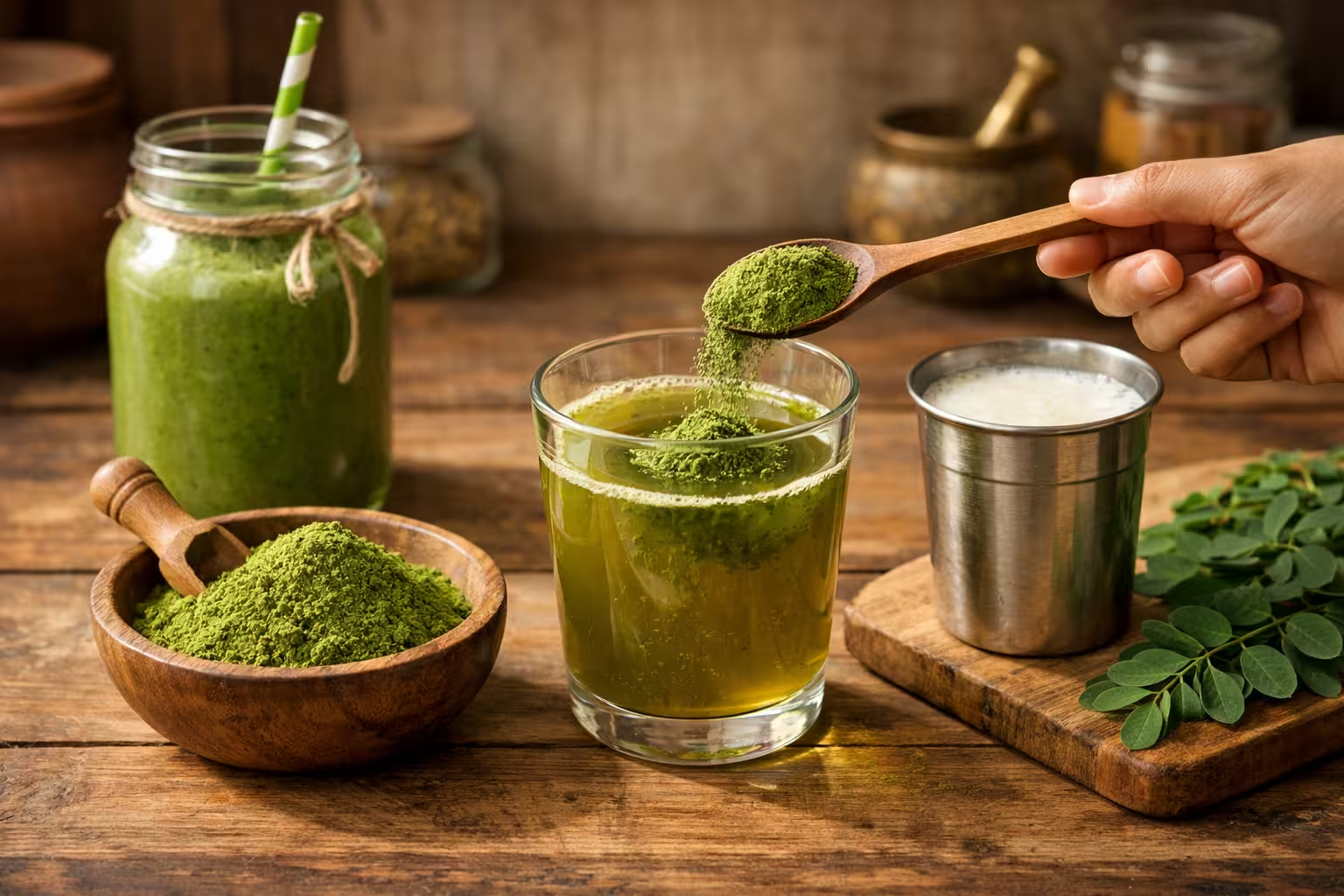
Moringa powder, made from dried moringa leaves, has long been used in traditional diets as a daily nourishment herb rather than a quick remedy. Today, many people search for how to use moringa powder daily in a safe and effective way.
Unlike strong herbal treatments taken for short periods, moringa powder is typically consumed in small amounts as part of regular food or drinks to support overall wellbeing. This guide explains practical and traditional ways to use moringa powder, including dosage, best time for consumption, and easy methods to include it in everyday life.
In this guide, you’ll learn how to use moringa powder daily, the right dosage, the best time to take it, and simple recipes to include it in your routine.
📑 Table of Contents
What Is Moringa Powder Used For in Daily Use?
Moringa powder is used as a simple way to add plant-based nutrients to everyday meals and drinks. It is commonly included in daily routines to support overall nutritional balance rather than being used as a short-term remedy.
In practical use, people mix moringa powder into water, buttermilk, smoothies, or cooked dishes in small quantities. Its role in daily use is mainly to complement regular diet habits with additional nutrients in a convenient form.
For a deeper understanding of its nutritional value and traditional benefits, you can read our complete guide on moringa powder benefits, nutrition, and traditional uses.
Traditional Ways to Use Moringa Powder in Daily Life
In traditional households, moringa leaves were rarely consumed in isolation; instead, they were incorporated into everyday food preparations. Fresh leaves were added to dal, soups, and vegetable dishes, allowing the body to absorb their nutrients gradually through regular meals. Moringa powder follows the same principle today, offering a convenient form that can be mixed into familiar foods without changing traditional eating patterns.
One of the simplest traditional methods is mixing a small quantity of moringa powder into warm water, buttermilk, or herbal drinks. It can also be sprinkled into cooked dishes after preparation to preserve its natural qualities. These gentle preparation methods focus on consistent daily intake rather than large quantities, reflecting the traditional belief that herbs work best when consumed regularly in moderate amounts.
Best Time to Take Moringa Powder (Morning or Night?)
The best time to take moringa powder can vary depending on individual preference and purpose. Traditionally, it is often consumed in the morning or during daytime when digestion is more active, allowing the body to absorb nutrients efficiently and support natural energy levels throughout the day.
However, some people prefer taking moringa powder with dinner or in the evening. Since the body focuses on repair and recovery during sleep, nighttime consumption may allow nutrients to be utilized gradually overnight. Ultimately, moringa powder can be taken either in the morning or evening, and choosing a consistent time that suits digestion and comfort is more important than strict timing.
How Much Moringa Powder to Take Daily (Dosage Guide)
When using moringa powder daily, quantity plays an important role. Traditionally, moringa was consumed in small amounts as part of regular meals rather than in large medicinal doses. The idea was to nourish the body gradually through consistent intake instead of expecting immediate results from high consumption.
For beginners, a small quantity — about ½ teaspoon per day — is usually considered a comfortable starting point. This allows the body to adjust slowly, especially for those who are new to herbal powders. After a few days or weeks, the amount can be increased to 1 teaspoon daily, depending on individual digestion and comfort.
In traditional food-based usage, moringa powder is rarely taken in excess. Moderate and regular consumption is preferred because herbs are believed to work best when used consistently over time. Taking more than required does not necessarily provide faster benefits and may sometimes cause digestive discomfort in sensitive individuals.
It is also recommended to take moringa powder along with food or mixed into drinks rather than consuming it on an empty stomach in large quantities. This supports better absorption and makes daily use easier to maintain as part of a normal routine.
This approach of starting small and increasing gradually is consistent with traditional dietary practices, where herbs are introduced slowly to suit individual digestion and tolerance.
Easy Ways to Use Moringa Powder in Daily Diet
One of the reasons moringa powder has remained popular in traditional diets is its flexibility. Instead of treating it as a separate supplement, it can be easily added to everyday foods and drinks without requiring major changes to eating habits. Simple integration into regular meals makes long-term daily use more practical and sustainable.
A common method is mixing moringa powder into warm water, milk, or buttermilk. Some people prefer adding it to smoothies or fresh juices, where its earthy taste blends naturally with other ingredients. It can also be stirred into soups, dal, or vegetable dishes after cooking to preserve its natural qualities.
For those who prefer solid foods, moringa powder can be sprinkled over cooked rice, mixed into chapati dough, or added to chutneys and homemade health mixes. The goal is not to consume it in large quantities at once, but to include small amounts regularly as part of normal meals.
Choosing preparation methods that fit daily lifestyle helps maintain consistency, which is considered more important than any specific recipe when using moringa powder for long-term wellbeing.
One practical point to keep in mind is that some nutrients in moringa, especially vitamin C, are sensitive to heat. Prolonged boiling may reduce their effectiveness, so adding moringa powder after cooking or into warm (not very hot) preparations may help preserve more of its natural nutritional value.
Simple Moringa Powder Recipes (Easy Daily Use Ideas)
Adding moringa powder to your daily routine becomes easier when you follow simple, repeatable recipes. Instead of guessing how to include it, these basic preparations help maintain consistency without changing your regular diet.
1. Moringa Morning Smoothie
A simple way to start the day with balanced nutrition.
Ingredients:
- 1 banana
- 1 cup spinach (optional)
- 1 cup milk or almond milk
- ½ to 1 teaspoon moringa powder
- 1 teaspoon honey
How to prepare: Blend all ingredients until smooth and consume fresh.
2. Moringa Energy Bites
A convenient option for snacks or busy days.
Ingredients:
- 1 cup oats
- ½ cup peanut butter or any nut butter
- ¼ cup honey
- 1 teaspoon moringa powder
How to prepare: Mix all ingredients well, roll into small balls, and refrigerate for 30–60 minutes before eating.
3. Simple Moringa Tea
A traditional and easy method of consumption.
Ingredients:
- ½ teaspoon moringa powder
- 1 cup warm water
- A few drops of lemon juice
- Honey (optional)
How to prepare: Stir well and drink slowly. This can be taken in the morning or evening based on preference.
While these recipes make daily use easier, understanding how moringa supports the body internally can help you use it more effectively. For a complete explanation, see our detailed guide on moringa powder benefits and nutrition.
Who Should Avoid or Be Careful with Moringa Powder
Moringa powder is commonly consumed as a food-based supplement and is generally well tolerated when taken in small, consistent amounts. Since it is concentrated from dried leaves, beginners are usually advised to start with a smaller quantity and increase gradually based on comfort.
People who are taking medication for blood sugar or blood pressure should consult a healthcare professional before including moringa powder regularly, as dietary herbs may interact differently depending on individual health conditions. Traditional guidance also recommends caution during pregnancy unless advised by a qualified practitioner.
Choosing good-quality moringa powder is equally important, as proper drying and storage help maintain freshness and safety. When used moderately as part of a balanced diet, moringa powder is typically approached as daily nourishment rather than a medicinal treatment.
For a detailed explanation of safety considerations and possible side effects, see our complete guide on moringa powder benefits and precautions.
Frequently Asked Questions
What is moringa powder used for daily?▼
Can moringa powder be taken every day?▼
How do you use moringa powder daily?▼
What is the best time to take moringa powder?▼
Can moringa powder be added to food?▼
Does moringa powder cause side effects?▼
Who should avoid taking moringa powder daily?▼
Final Thoughts on Using Moringa Powder Daily
Moringa powder has traditionally been valued as a nourishing food rather than a quick remedy. When used in small and consistent amounts, it can be easily included in everyday meals without disrupting normal dietary habits. Simple preparation methods, moderate quantity, and regular usage are generally considered more important than strict timing or complex recipes.
Whether taken in the morning for daily nourishment or included with meals later in the day, the effectiveness of moringa powder depends largely on consistency and balance. Treating it as part of long-term dietary support allows its nutritional value to complement overall wellbeing naturally.
As with any herbal food, individual comfort and moderation remain key. Understanding how to use moringa powder daily helps transform it from an occasional supplement into a sustainable part of a healthy lifestyle.
Related Blogs
Moringa Powder: Benefits, Uses, Dosage, and Side Effects
Discover the benefits of moringa powder, its nutritional value, and plant compounds that support overall health and daily wellness.

How to Reduce Pitta: Simple Natural Remedies for Balance
Struggling with acidity, anger, or skin rashes? Learn how to reduce Pitta dosha naturally. Learn remedies, diet changes, and quick relief methods to balance Pitta dosha and improve digestion, skin, and overall health.
Home Remedies for Gastric Problem: Natural Relief for Gas, Bloating & Indigestion
Discover simple and effective home remedies for gastric problem. Learn how Vellapoodu (hing) and Ajwain help relieve gas, bloating, and indigestion naturally at home.